- This event has passed.
Le storie veneziane
December 2, 2025 @ 18:00
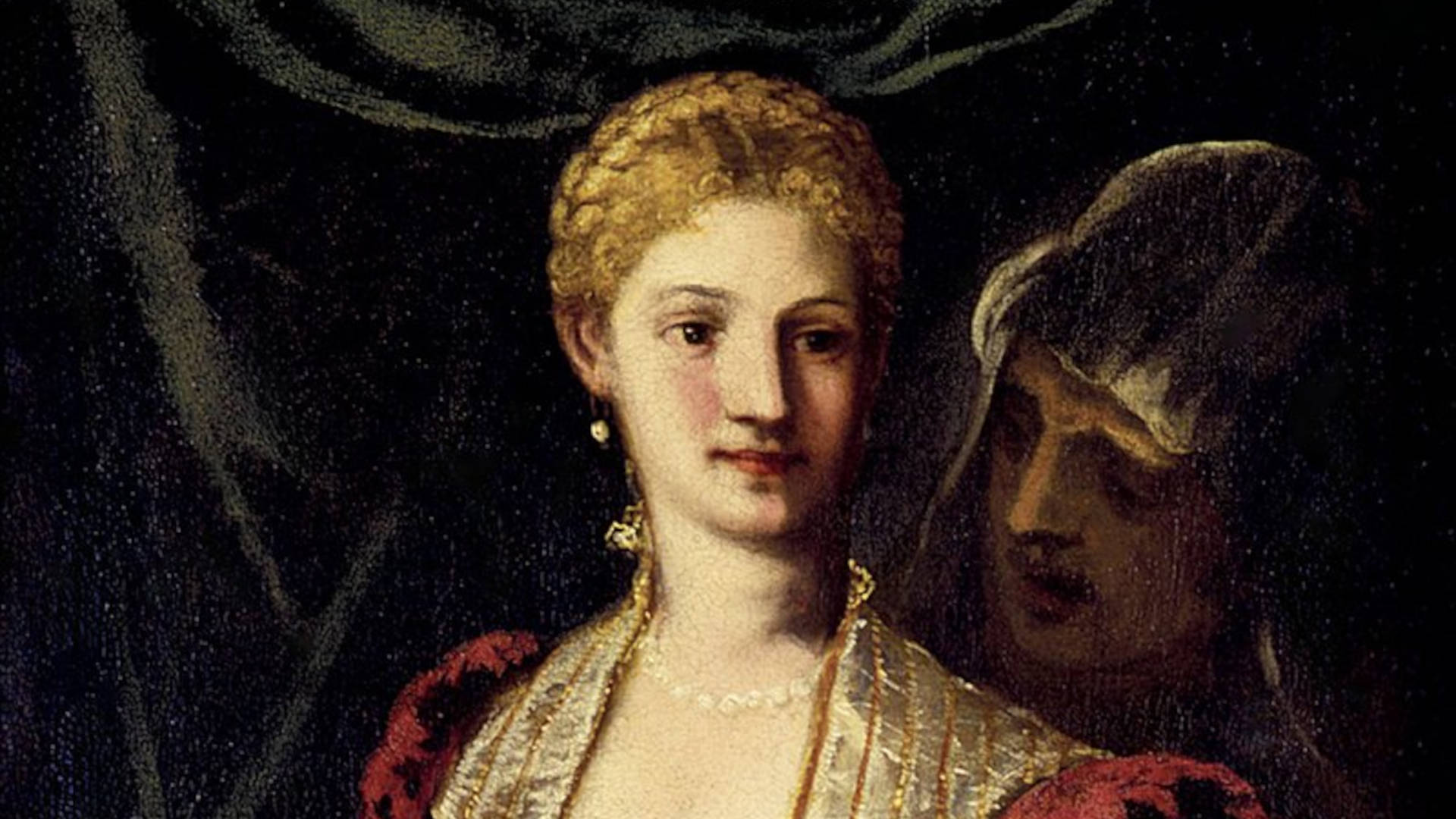
An exclusive engagement dedicated to one of the most refined Italian intellectuals of the 20th century: the presentation of the book “Le storie veneziane“ by Neri Pozza, a work curated by Luca Scarlini.
Neri Pozza, artist and founder of the eponymous publishing house, captured the essence of the Serenissima as few others could. This book collects his most evocative tales, where meticulous historical research blends with brilliant invention.
Guided by the curator, we will immerse ourselves in a Venice of artists and inquisitors, encountering a Tintoretto grappling with heresy, a Titian facing mortality, and a Veronese defending his creative freedom.
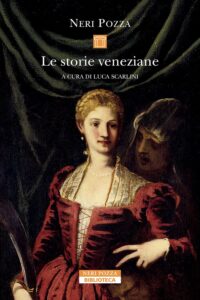
Le storie veneziane a cura di Luca Scarlini
© 2025
Neri Pozza Editore
Art was the focal point of Neri Pozza's entire existence; he was a sculptor and engraver from his earliest youth. It is no coincidence that in the fabric of his writing, his rich and surprising work has artists as its common thread, with a precise adherence to the historical events of the *Serenissima*, experienced in his beloved Vicenza, or in Venice—the city where he resided for a long time and where the publishing house bearing his name originated. The stories in this book are the summation of all his writings on the theme. Each one bears a date, clearly indicating that it is grounded in profound historical research, which is combined with stunning invention.
The language Pozza chooses is an Italian permeated by the native dialect, the meaning of which he illustrates in a glossary. And yet, everything flows with the most evident immediacy when recounting the fate of mythological figures seen in the snares of daily life, inventing—from historical documents—adventures that never occurred, yet feel perfectly real. Thus, Tintoretto is seen grappling with the Inquisition for having used a model who promotes Lutheranism; Titian looks death in the face while attending to his sublime *Pietà* for the Accademia; Veronese must answer to religious authorities for his *Feast*, deemed too liberal.
A world of real and possible stories and images thus intersects with great felicity in Neri Pozza's narrative works. Today, they are being reintroduced to the public, many years after their original publication, revealing a remarkable ability to narrate the reality of an era through its icons.
Che burrasca! Il canal della Giudecca, agitato dalle correnti di un verde infangato, faceva sbandare la barca che traghettava Tintoretto. L’acqua cadeva a stravento, le case dell’altra riva si vedevano fra i nembi. Sbarcò sotto l’acqua scrosciante e chiusa la porta dello studio gli sembrò di essere entrato in una fortezza.
What a tempest! The Giudecca Canal, agitated by currents of a muddied green, caused the boat ferrying Tintoretto to list. The rain fell sideways, the houses on the opposite bank visible through the squalls. He disembarked under the pouring rain and, having closed the studio door, it seemed to him he had entered a fortress.
«In *Le storie veneziane* there is a precise narrative mechanism at work, which always and unequivocally places Neri Pozza in the foreground. For him, art was also an ethical resolution, a way of intervening in reality, as dictated by his past in the Resistance and his active concept of culture. In this way, the author also filled a gap in literature concerning Venetian artists, who, until that point, had been recounted less than the Florentines.»
Luca Scarlini